

Hey there! As a supplier of Power Distribution Boards, I've seen firsthand the crucial role circuit breakers play in these setups. So, let's dive right in and explore what that role is.
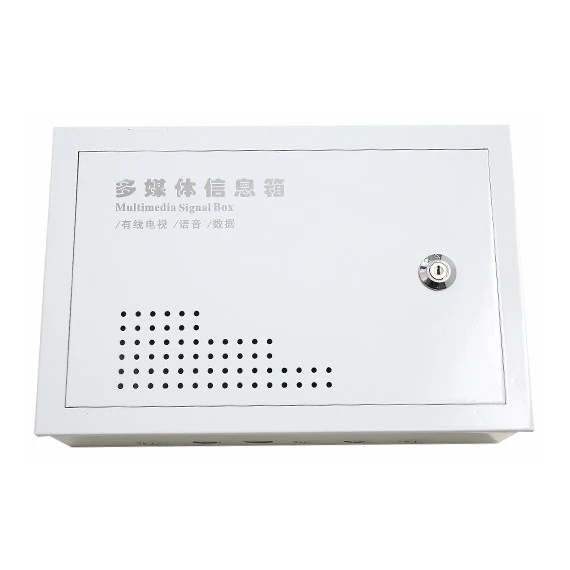

First off, what's a circuit breaker? Well, it's a safety device that automatically interrupts the flow of electrical current when it detects an overload or a short - circuit. Think of it as a super - vigilant guard in your Power Distribution Board.
Protection Against Overloads
One of the primary functions of circuit breakers is to protect against overloads. In a Power Distribution Board, multiple electrical circuits are connected. Each circuit has a specific capacity to handle electrical current. When too many electrical devices are connected to a single circuit, or if a device malfunctions and draws more current than it should, an overload occurs.
If there were no circuit breakers, this excessive current could cause the wires in the circuit to overheat. Overheated wires are a major fire hazard. They can melt the insulation around them, expose live wires, and potentially start an electrical fire. Circuit breakers prevent this by tripping when the current exceeds a pre - set limit.
For example, in a commercial building's Power Distribution Board, there might be a circuit dedicated to the lighting system. If a large number of high - wattage lights are added without considering the circuit's capacity, the circuit breaker for that lighting circuit will trip. This not only protects the wiring but also the lights themselves from damage due to excessive current.
Prevention of Short - Circuits
Short - circuits are another dangerous electrical phenomenon that circuit breakers safeguard against. A short - circuit happens when a live wire comes into direct contact with a neutral wire or the ground. This creates a low - resistance path for the electrical current, causing a massive surge in current flow.
Without a circuit breaker, this high - current surge can cause severe damage to electrical equipment and pose a significant safety risk. The sudden increase in current can lead to explosions, fires, and damage to sensitive electronic components. Circuit breakers detect the rapid increase in current associated with a short - circuit and quickly interrupt the circuit.
Let's say in an industrial Power Distribution Board, a short - circuit occurs in a machine's electrical system. The circuit breaker for that machine's circuit will trip almost instantaneously, cutting off the power supply to the faulty circuit. This protects the machine from further damage and prevents the short - circuit from spreading to other parts of the electrical system.
Selective Coordination
Circuit breakers also play a role in selective coordination within a Power Distribution Board. Selective coordination means that only the circuit breaker closest to the fault should trip when an electrical fault occurs. This ensures that only the affected part of the electrical system is isolated, while the rest of the system continues to operate normally.
In a large Power Distribution Board, there are usually multiple levels of circuit breakers, from main breakers to branch breakers. When a fault occurs in a specific branch circuit, the branch circuit breaker should trip first, rather than the main breaker. This way, power is only interrupted to the specific area or device with the problem, minimizing downtime for the entire electrical system.
For instance, in a multi - story office building, if there's a fault in the electrical system of a single office on the third floor, the branch circuit breaker for that office's electrical circuits should trip. The main circuit breaker for the building's Power Distribution Board and the circuit breakers for other floors' circuits should remain operational.
Different Types of Circuit Breakers for Different Needs
There are several types of circuit breakers available, each designed for specific applications. In a Power Distribution Board, you might find thermal circuit breakers, magnetic circuit breakers, and thermal - magnetic circuit breakers.
Thermal circuit breakers use a bimetallic strip that bends when heated by an excessive current. Once the strip bends enough, it trips the circuit breaker. These are commonly used in applications where the overload is more of a long - term issue, such as in lighting circuits.
Magnetic circuit breakers, on the other hand, use an electromagnet. When the current exceeds a certain level, the magnetic force generated by the electromagnet pulls a plunger, which trips the breaker. Magnetic circuit breakers are ideal for protecting against short - circuits because they can respond very quickly to sudden surges in current.
Thermal - magnetic circuit breakers combine the features of both thermal and magnetic breakers. They can handle both long - term overloads and short - circuit situations effectively. In a comprehensive Power Distribution Board, thermal - magnetic circuit breakers are often used for general protection.
Importance in Different Power Distribution Board Applications
Circuit breakers are essential in various types of Power Distribution Boards. For example, in a Light Distribution Board, circuit breakers protect the lighting circuits. They ensure that the lights are not damaged by overloading or short - circuits. This is especially important in places like hospitals and schools, where reliable lighting is crucial.
In an Outdoor Waterproof Power Distribution Cabinet, circuit breakers face additional challenges. They need to be able to operate in harsh environmental conditions, such as high humidity and temperature variations. These circuit breakers are designed to be more rugged and resistant to moisture and dust. They play a vital role in protecting outdoor electrical systems, such as streetlights and outdoor equipment.
A Structured Wiring Enclosure also relies on circuit breakers. These enclosures are used to manage and distribute electrical power and data cables in a structured way. Circuit breakers in these enclosures protect the sensitive electronic equipment connected to the wiring, such as routers, switches, and servers.
Role in System Maintenance and Troubleshooting
Circuit breakers also simplify system maintenance and troubleshooting. When a circuit breaker trips, it clearly indicates that there's a problem in the corresponding circuit. This makes it easier for electricians to identify and fix the issue.
Instead of having to search through an entire electrical system to find the source of a problem, they can focus on the tripped circuit. For example, if a circuit breaker for a particular area in a building's Power Distribution Board trips, the electrician can start by checking the electrical devices connected to that circuit for any signs of malfunction or damage.
Conclusion
In conclusion, circuit breakers are an integral part of any Power Distribution Board. They protect against overloads, short - circuits, and ensure the safe and reliable operation of electrical systems. Whether it's in a small residential building or a large industrial complex, circuit breakers play a crucial role in maintaining electrical safety.
If you're in the market for a high - quality Power Distribution Board or need more information about circuit breakers and their role, don't hesitate to reach out. We're here to help you make the right choices for your electrical needs. Let's start a conversation about your project and find the best solutions together.
References
- "Electrical Installation Handbook" by Schneider Electric
- "Fundamentals of Electric Circuits" by Charles K. Alexander and Matthew N. O. Sadiku