

As a supplier of distribution boards, I've witnessed firsthand the crucial role that circuit breakers play in these essential electrical components. In this blog post, I'll delve into the significance of circuit breakers in a distribution board, exploring their functions, types, and the benefits they bring to electrical systems.
Understanding the Basics of a Distribution Board
Before we dive into the role of circuit breakers, let's briefly understand what a distribution board is. A distribution board, also known as a breaker panel or electrical panel, is a central component in an electrical system that distributes electrical power from the main supply to various circuits within a building or facility. It acts as a control center, allowing for the safe and efficient distribution of electricity to different areas and equipment.
The Primary Function of Circuit Breakers
At the heart of a distribution board lies the circuit breaker, which serves as a protective device designed to automatically interrupt the flow of electrical current in the event of an overload, short circuit, or other electrical faults. This crucial function helps prevent damage to electrical equipment, wiring, and appliances, as well as reduces the risk of electrical fires and shocks.
Overload Protection
One of the primary roles of a circuit breaker is to protect against overloads. An overload occurs when the electrical current flowing through a circuit exceeds its rated capacity. This can happen when too many electrical devices are connected to a single circuit or when a device malfunctions and draws excessive current. Circuit breakers are designed to detect these overloads and trip, or open the circuit, to prevent overheating and potential damage to the wiring and equipment.
Short Circuit Protection
Another critical function of circuit breakers is to protect against short circuits. A short circuit occurs when a low-resistance path is created between two conductors, causing a sudden and significant increase in current flow. This can be extremely dangerous, as it can lead to overheating, arcing, and even electrical fires. Circuit breakers are designed to quickly detect short circuits and trip, interrupting the flow of current and preventing further damage.
Ground Fault Protection
In addition to overload and short circuit protection, some circuit breakers are also equipped with ground fault protection. A ground fault occurs when an electrical current leaks from a circuit and comes into contact with a grounded surface, such as a metal appliance or the earth. This can pose a serious risk of electrical shock to anyone who comes into contact with the affected device or surface. Ground fault circuit interrupters (GFCIs) are a type of circuit breaker that are specifically designed to detect ground faults and trip within milliseconds, preventing serious injury or death.
Types of Circuit Breakers
There are several types of circuit breakers available, each designed to meet specific electrical requirements and applications. The most common types of circuit breakers used in distribution boards include:
Miniature Circuit Breakers (MCBs)
Miniature circuit breakers are the most commonly used type of circuit breaker in residential and commercial electrical systems. They are compact, easy to install, and provide reliable protection against overloads and short circuits. MCBs are available in a range of current ratings, allowing them to be used in a variety of applications.
Molded Case Circuit Breakers (MCCBs)
Molded case circuit breakers are larger and more robust than MCBs, making them suitable for use in industrial and commercial applications where higher current ratings are required. They are typically used to protect larger electrical loads, such as motors, transformers, and generators. MCCBs are available in a range of current ratings and can be equipped with additional features, such as adjustable trip settings and ground fault protection.
Air Circuit Breakers (ACBs)
Air circuit breakers are designed for use in high-voltage electrical systems, such as those found in industrial plants and power stations. They are capable of interrupting very high currents and are typically used to protect large electrical equipment and distribution systems. ACBs are available in a range of current ratings and can be equipped with advanced features, such as electronic trip units and communication interfaces.
Benefits of Using Circuit Breakers in a Distribution Board
The use of circuit breakers in a distribution board offers several benefits, including:
Enhanced Safety
Circuit breakers provide reliable protection against electrical faults, such as overloads, short circuits, and ground faults, reducing the risk of electrical fires and shocks. This helps to ensure the safety of people and property in the event of an electrical problem.
Improved Equipment Protection
By automatically interrupting the flow of current in the event of an electrical fault, circuit breakers help to prevent damage to electrical equipment, wiring, and appliances. This can extend the lifespan of equipment and reduce the need for costly repairs or replacements.
Easy Maintenance
Circuit breakers are designed to be easy to install, operate, and maintain. They can be easily reset after tripping, allowing for quick restoration of power to the affected circuit. Additionally, circuit breakers can be tested regularly to ensure they are functioning properly.

Flexibility
Circuit breakers are available in a range of current ratings and types, allowing them to be used in a variety of applications. This provides flexibility in designing and installing electrical systems, ensuring that the distribution board can meet the specific requirements of the building or facility.
Our Distribution Board Products
As a supplier of distribution boards, we offer a wide range of products to meet the needs of our customers. Our distribution boards are designed to provide reliable and efficient electrical distribution, incorporating high-quality circuit breakers to ensure maximum safety and protection.
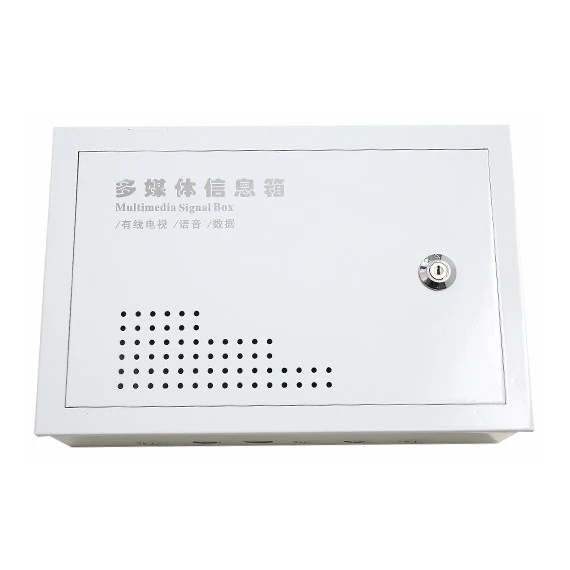
- Structured Wiring Enclosure: Our structured wiring enclosures are designed to provide a neat and organized solution for housing electrical wiring and components. They are available in a range of sizes and configurations to meet the specific requirements of your project.
- Power Distribution Board: Our power distribution boards are designed to distribute electrical power from the main supply to various circuits within a building or facility. They are available in a range of current ratings and types, allowing for flexibility in design and installation.
- Outdoor Waterproof Power Distribution Cabinet: Our outdoor waterproof power distribution cabinets are designed to provide reliable and efficient electrical distribution in outdoor environments. They are constructed from high-quality materials and are designed to withstand harsh weather conditions.
Conclusion
In conclusion, circuit breakers play a crucial role in a distribution board, providing essential protection against electrical faults and ensuring the safe and efficient operation of electrical systems. By understanding the functions, types, and benefits of circuit breakers, you can make informed decisions when selecting and installing a distribution board for your building or facility.
If you're interested in learning more about our distribution board products or have any questions about circuit breakers, please don't hesitate to contact us. We're here to help you find the right solution for your electrical needs.
References
- National Electrical Code (NEC)
- International Electrotechnical Commission (IEC) standards
- Electrical Safety Foundation International (ESFI) resources